Politics was never meant to be a shortcut to authority.
It was meant to be a responsibility.
At its core, politics was created to serve people — to build schools, strengthen healthcare, create opportunities, and shape the future of a nation. It was never about the chair itself, but about what one does while sitting on it.
Yet somewhere along the way, the meaning changed.
Today, many enter politics not to carry responsibility, but to enjoy the privileges that come with power. The chair is no longer seen as a duty — it is seen as control, influence, and in many cases, personal gain.
What was once a position to uplift millions is now often used to uplift oneself.
When Power Loses Its Purpose
When a leader is driven by greed, every decision begins with a silent question:
"What will I gain from this?"
And in that moment, the people are forgotten.
Public money turns into private wealth.
Public projects turn into profit opportunities.
Responsibility fades, and the only thing that remains is the desire to hold onto power.
A Lesson from Those Who Serve Without Power
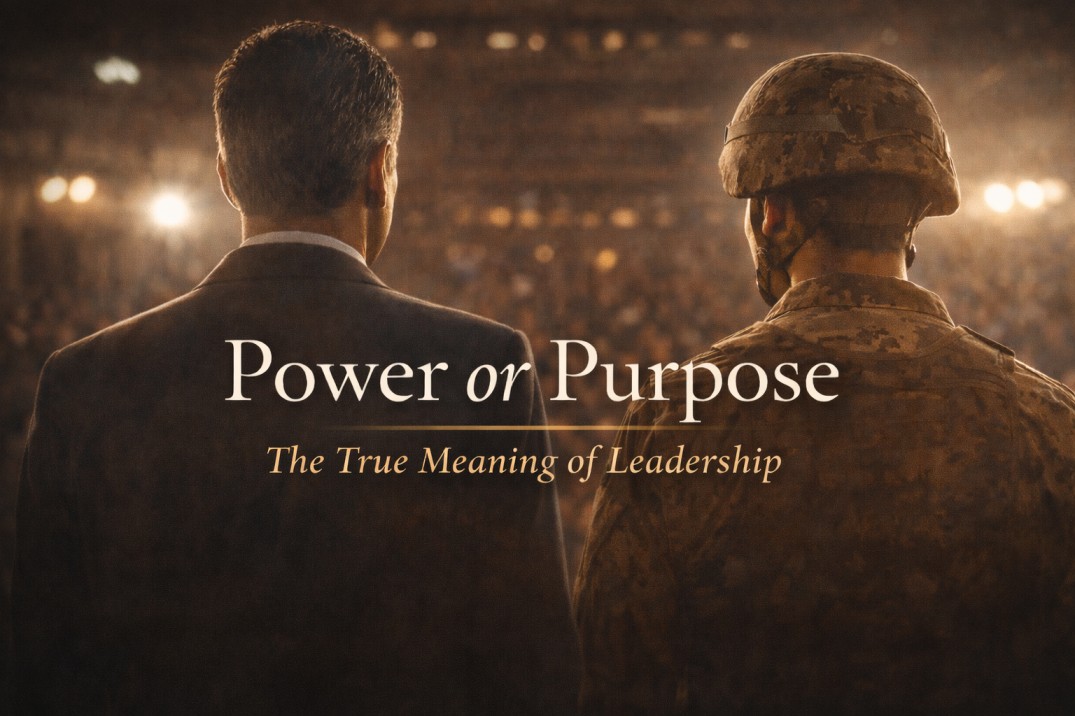
Sometimes, I wonder — what if politicians thought like soldiers?
A soldier stands at the border without the promise of comfort, recognition, or even life itself. He doesn’t serve for luxury or status. He serves because he believes in something greater than himself — his nation.
His decisions are not driven by personal benefit, but by duty.
His actions are not shaped by ambition, but by responsibility.
Now imagine if even a fraction of that mindset existed in leadership.
A soldier protects the nation with his life.
A leader should protect it with his decisions.
When power rests in the hands of someone selfless, it creates transformation.
When it rests in the hands of someone selfish, it creates corruption.
The Real Problem Is Not Power — It Is Mindset
Corruption has now spread beyond politics. It has entered government offices, corporations, education, business — everywhere. People forget that power is meant to serve, not to exploit. The moment someone gains a little authority, they use it for personal advantage.
The Danger of Blind Loyalty
Another sad reality today is the extreme polarization among citizens. People have stopped thinking critically. They either blindly support a political party or blindly hate it. If the party they voted for loses the election, they become hostile towards the winning government — even if the government is doing something beneficial. And if their preferred party wins, they support every decision — even the bad ones.
This blind loyalty is destroying democracy.
Supporting a political party is not a problem. Blindly following it is. Criticism is not the issue. Blind hatred is. The government of the country, whichever party it belongs to, deserves respect and accountability. When it does something good, we should appreciate it. When it goes wrong, we should question it — not out of anger, but out of responsibility.
Your duty as a citizen doesn't end after casting a vote. It begins there. Democracy works only when citizens think, analyze, question, and stay aware. Your loyalty should be to your country, not to a political party or leader.
We Don't Need More Politicians. We Need Leaders
A politician seeks to remain in power.
A leader seeks to remain true to their purpose.
We need people who are not afraid of losing their position, but afraid of losing their integrity. People who understand that public service is not a career — it is a commitment.
A nation rises when those in power put the country above themselves.
It declines when they put themselves above the country.
The Essence of Leadership
Power is not the problem.
The intention behind it is.
In the hands of the selfish, it becomes corruption.
In the hands of the selfless, it becomes transformation.
And the day those in power begin to think not like rulers, but like servants — disciplined, committed, and devoted — that day, real change will begin.
Because in the end,
Leadership is not about holding power.
It is about serving with it.
Discussion
0 commentsBe the first to share your thoughts on this article.
Join the conversation — login to share your thoughts.
Login to Comment